
When Sinus Surgery Did Not Help
A fresh specialist evaluation for symptoms that remain after previous sinus surgery.
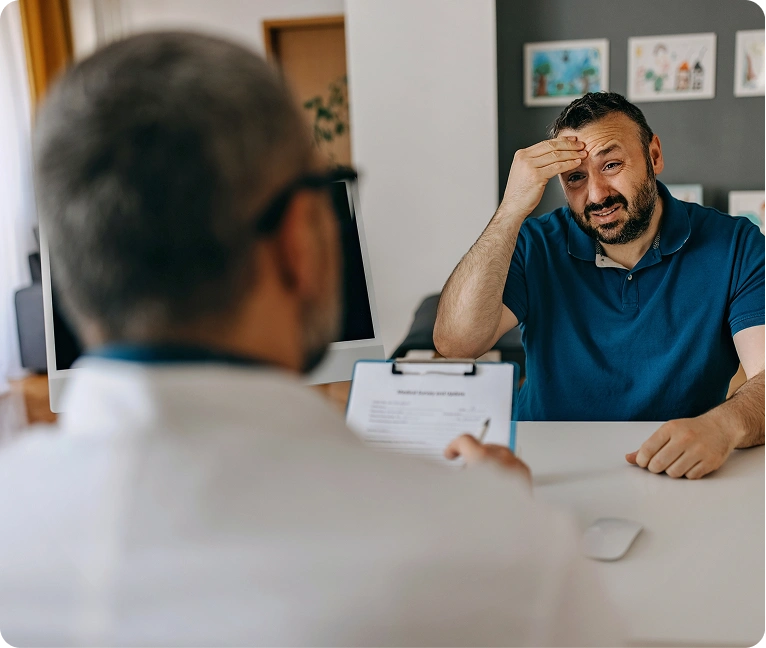
When Symptoms Continue After Sinus Surgery
If sinus symptoms remain after surgery, a detailed reassessment is important before considering another procedure. The goal is to determine why the original surgery did not resolve the problem rather than simply repeating the same treatment.
This evaluation includes reviewing the previous surgery, current CT findings, and nasal endoscopy results, along with possible contributing factors such as allergic rhinitis, aspirin sensitivity, immune deficiency, or other conditions that may not have been adequately addressed.
Why Symptoms May Persist
Sinus drainage pathways were not fully opened during the original surgery.
Scar tissue, or synechiae, blocked previously opened sinus passages.
Nasal polyps returned or remained after treatment.
Allergic rhinitis or aspirin-exacerbated respiratory disease was not treated.
Structural factors were left unaddressed during the initial procedure.
The original diagnosis did not identify the actual cause of symptoms.
Considering a Second Opinion
If revision sinus surgery has been recommended and you are uncertain about moving forward, an independent evaluation can help you better understand your options. I welcome patients seeking a second opinion before undergoing additional sinus surgery.