
When CPAP is Hard to Tolerate
Identify nasal and airway issues that may be getting in the way of CPAP use.
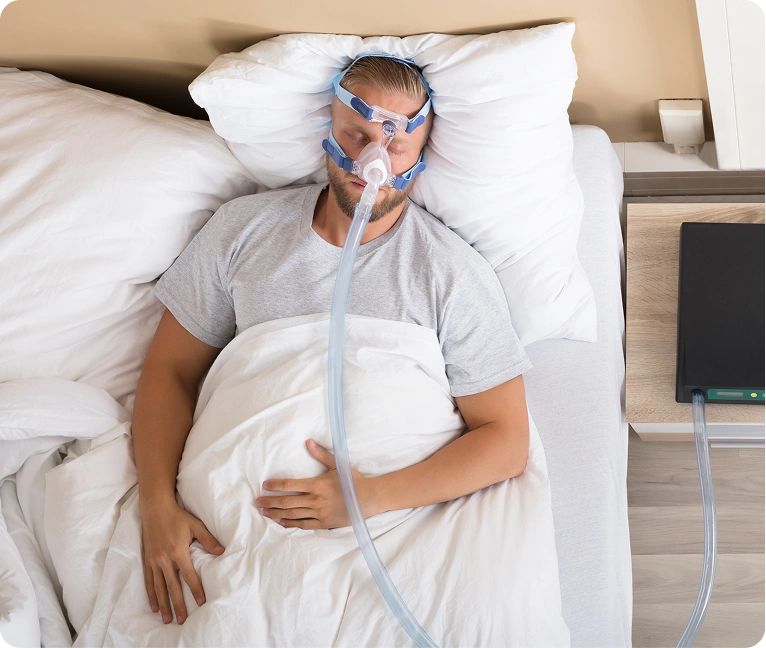
When CPAP is Difficult to Use
CPAP, or continuous positive airway pressure, is the most effective treatment for obstructive sleep apnea, but some patients have difficulty using it consistently. Nasal obstruction is a common reason for CPAP intolerance. When the nose is blocked, wearing a CPAP mask can become uncomfortable or difficult, causing patients to remove it during sleep or stop using therapy altogether.
Finding the Cause of CPAP Intolerance
An ENT evaluation can help determine whether nasal obstruction is making CPAP difficult to tolerate. Common causes include a deviated septum, enlarged turbinates, nasal polyps, and chronic rhinitis. Treating these issues can make nasal breathing easier and improve the ability to use CPAP consistently.
Options for Improving Nasal Breathing
Treatment depends on whether inflammation or structural blockage is responsible. Nasal steroid sprays and allergy management may help when inflammation is involved, while structural problems such as a deviated septum or enlarged turbinates may require surgery. Improving nasal airflow can make CPAP more comfortable and improve treatment adherence.
Working With Sleep Medicine
Sleep apnea care is coordinated with sleep medicine specialists. My role is to evaluate the nasal and upper airway anatomy and address factors that may be affecting CPAP effectiveness or making the therapy difficult to tolerate.