
Precision Treatment for Sinus Disease
Advanced endoscopic techniques address difficult sinus problems with focused surgical care.
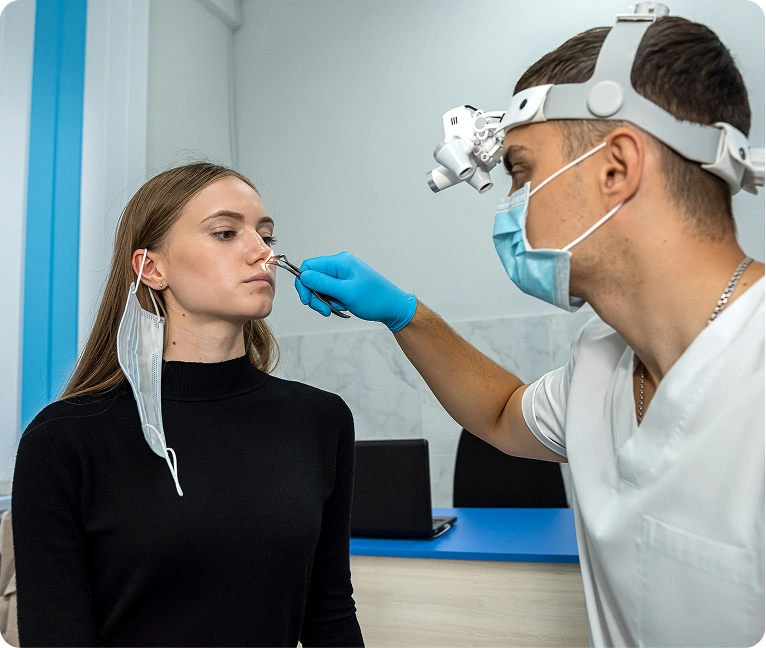
Advanced Training in Endoscopic Sinus Surgery
I trained in endoscopic sinus surgery at the University of Pennsylvania under David Kennedy, MD, and Donald Lanza, MD, two leading figures in the development of functional endoscopic sinus surgery, or FESS. This training strengthened my understanding of both endoscopic surgical techniques and the diagnostic principles used to determine appropriate surgical candidates.
The Role of FESS
FESS is a minimally invasive procedure performed through the nostrils using an endoscope and specialized instruments. No external incisions are required. The procedure is designed to reopen the natural sinus drainage pathways by addressing obstructing tissue, nasal polyps, or diseased mucosa to help restore normal sinus function.
When FESS May Be Appropriate
FESS is generally considered when chronic or recurrent sinusitis does not improve adequately with medical treatment, including nasal steroid sprays, saline irrigation, and management of conditions such as allergic rhinitis. CT imaging is used to plan the surgery.
What May Be Addressed During Surgery
The extent of FESS depends on the affected sinuses and the underlying disease. Surgery may involve one sinus or several. When nasal polyps are present, they may be removed during the same procedure. Septoplasty, to correct a deviated septum, or turbinate reduction may also be performed when indicated.
Recovery After FESS
Most patients should plan for one to two weeks of reduced activity following FESS. Nasal congestion, drainage, and mild discomfort are common during the first week. Recovery includes postoperative care such as nasal saline irrigation and follow-up endoscopy.