
Find the Cause of Nosebleeds
Specialized evaluation for frequent, persistent, or difficult-to-control nosebleeds.
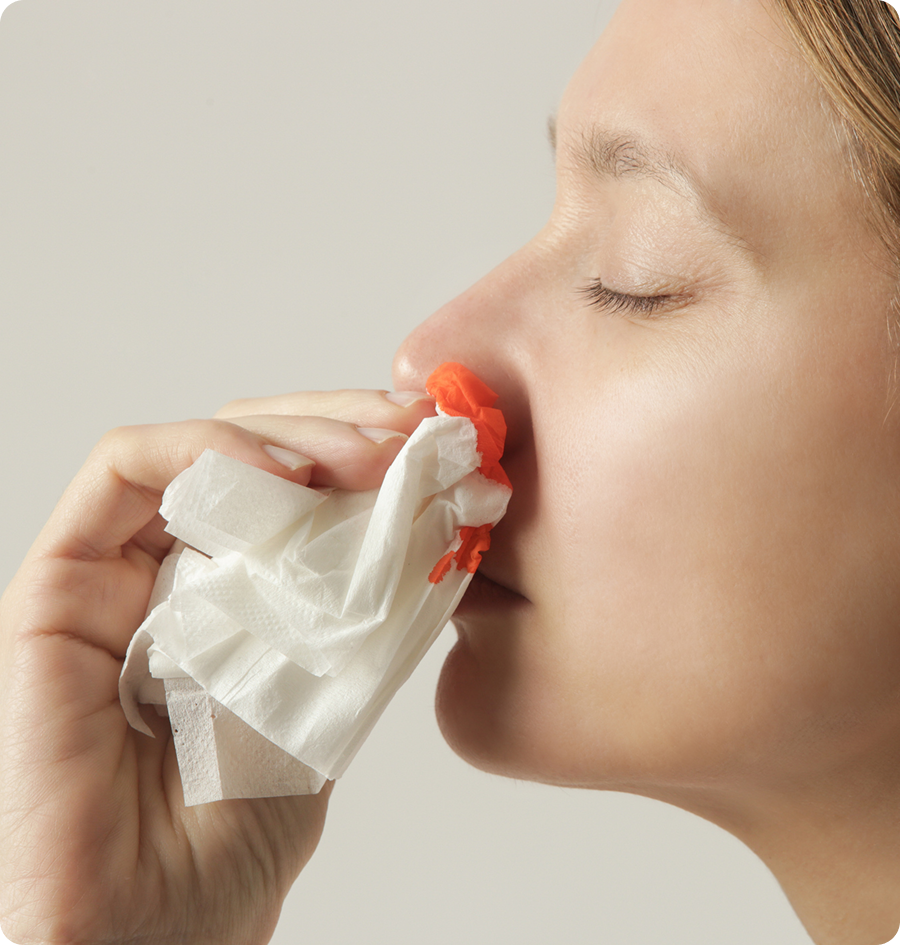
Why Nosebleeds Happen
Nosebleeds, also called epistaxis, are very common and are usually not a serious concern. Most begin in the front portion of the nasal septum, known as anterior epistaxis, where small blood vessels sit close to the surface. Posterior nosebleeds start deeper inside the nasal cavity and are less common, but they can be harder to control and may require more intensive treatment.
Common Types of Ear Infections
Dry Nasal Tissue
Dry Nasal Tissue
Dryness is especially common in climates such as Las Vegas and can make the nasal lining more prone to bleeding.
Nasal Trauma
Nasal Trauma
Nose picking or other injury can damage the small blood vessels inside the nose.
Deviated Septum
Deviated Septum
An uneven septum can create turbulent airflow that dries the nasal lining.
Allergic Rhinitis
Allergic Rhinitis
Nasal inflammation associated with allergies can contribute to recurrent bleeding.
Blood Thinners
Blood Thinners
Medications such as aspirin, warfarin, and newer anticoagulants can increase bleeding.
High Blood Pressure
High Blood Pressure
Elevated blood pressure may contribute to nosebleeds.
Hereditary Hemorrhagic Telangiectasia
Hereditary Hemorrhagic Telangiectasia
HHT is a genetic condition associated with recurrent nosebleeds.
When Recurrent Bleeding Needs Attention
Most nosebleeds can be controlled at home by applying direct pressure. Medical evaluation is recommended when bleeding happens frequently, is difficult to stop, causes significant blood loss, or occurs while taking blood thinning medication. Repeated nosebleeds without an obvious cause should also be evaluated to check for a vascular lesion or another underlying condition.

Approaches to Stop and Prevent Bleeding
Treatment depends on the cause and severity. Options include nasal moisturization, cauterization, and, for severe or recurrent posterior bleeding, arterial ligation or embolization. Contributing factors such as dry air, blood thinners, and high blood pressure should also be addressed.